Ar15partsdirect — AR-15 components and accessories
Find any firearm, part & accessory
Top Brands
What separates a standard AR-15 build from a rifle that runs flawlessly and feels like an extension of you? It\u2019s not luck\u2014it\u2019s the parts you choose. You\u2019re upgrading your first build or assembling a second with a clear purpose, and that demands components you can trust, not just the cheapest option on the page. We focus on the core elements that define your rifle\u2019s performance: the lower receiver that forms its legal backbone, the upper assembly and barrel that dictate accuracy, the bolt carrier group that cycles every round, the trigger that controls the shot, and the handguard that gives you control. This is where you start building with confidence.
Choosing Your Foundation: AR-15 Lowers and Uppers
Your build begins with the lower and upper receivers. Think of the lower as the heart of your rifle\u2019s controls\u2014the fire control group, safety, and stock all interface here. Forged 7075-T6 aluminum is the standard for a reason: it withstands stress. The real choice is often between a stripped lower for a full custom build or a complete lower to save time. A stripped lower lets you hand-pick every internal part, which is ideal if you want a specific trigger or grip angle from the start. A complete lower is the right call when you want to pair it with a complete upper and be ready for the range faster. The upper receiver houses the barrel and bolt carrier group. Look for a tight fit with your lower to eliminate wobble; a solid connection is the first sign of a quality build. Whether you choose a standard forged upper or a billet model for a more unique look, the machining quality and proper alignment are what matter most.
Performance Where It Counts: Barrels, BCGs, and Triggers
These three components are where your rifle\u2019s accuracy, reliability, and feel are won or lost. Start with the barrel. A cold hammer-forged barrel typically offers superior longevity and consistency over a standard button-rifled barrel. For a general-purpose or home-defense build, a 16-inch mid-length gas system provides a smooth recoil impulse. If you\u2019re building a more compact firearm, a 14.5-inch pin-and-weld barrel or a pistol-length system on a shorter barrel are the options to consider. Next, the Bolt Carrier Group (BCG) is your rifle\u2019s engine. A properly made BCG should have a Carpenter 158 or 9310 steel bolt, shot-peened and magnetic particle inspected (MPI) for durability. A full-auto profile carrier adds weight for reliable cycling, even if you don\u2019t have a full-auto lower. Finally, the trigger. A mil-spec trigger is functional, but a quality aftermarket drop-in trigger group can dramatically improve accuracy. A single-stage trigger provides a crisp, consistent pull ideal for dynamic shooting, while a two-stage trigger offers a distinct take-up and wall for precision work on the bench.
Control and Completion: Handguards and Finishing Your Build
The handguard protects your hands and allows for the mounting of lights, grips, and optics. Your main decision is between a drop-in, two-piece handguard and a free-float handguard. A drop-in handguard is simple to install and perfectly suitable for a classic, reliable carbine. However, if you\u2019re chasing accuracy, a free-float handguard is the only way to go. By not contacting the barrel, it prevents poi (point of impact) shifts caused by sling pressure or barricade rests. Consider the mounting system (M-LOK is the modern standard for light weight and flexibility), the diameter for comfort, and the length relative to your gas system. Once you have your core components selected, remember that orders over $99 ship free. For those who prefer modern payment methods, we also accept cryptocurrency checkout. Now, let\u2019s get into the specific parts.
" }Featured Products
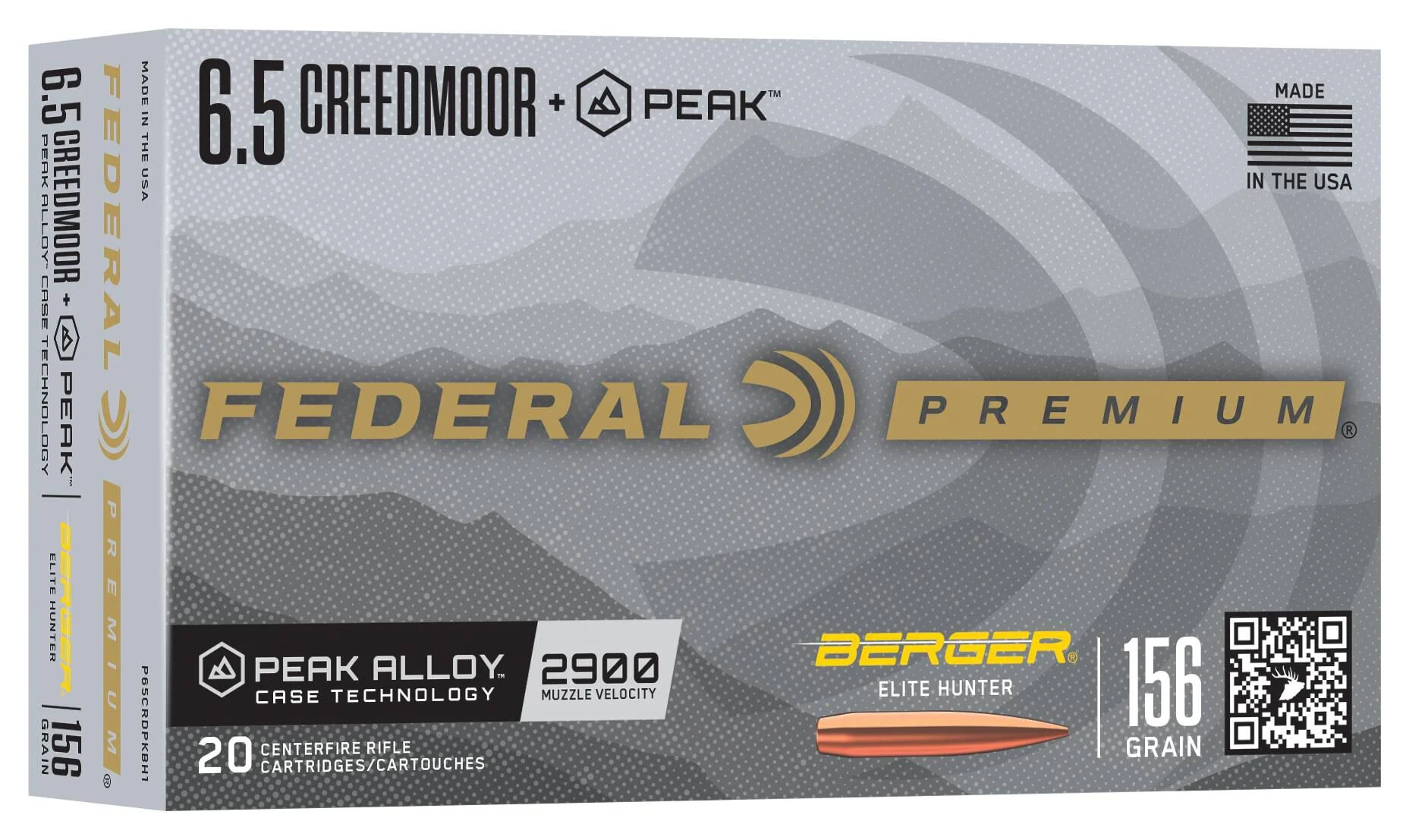
6.5 Creedmoor +Peak Berger Elite Hunter
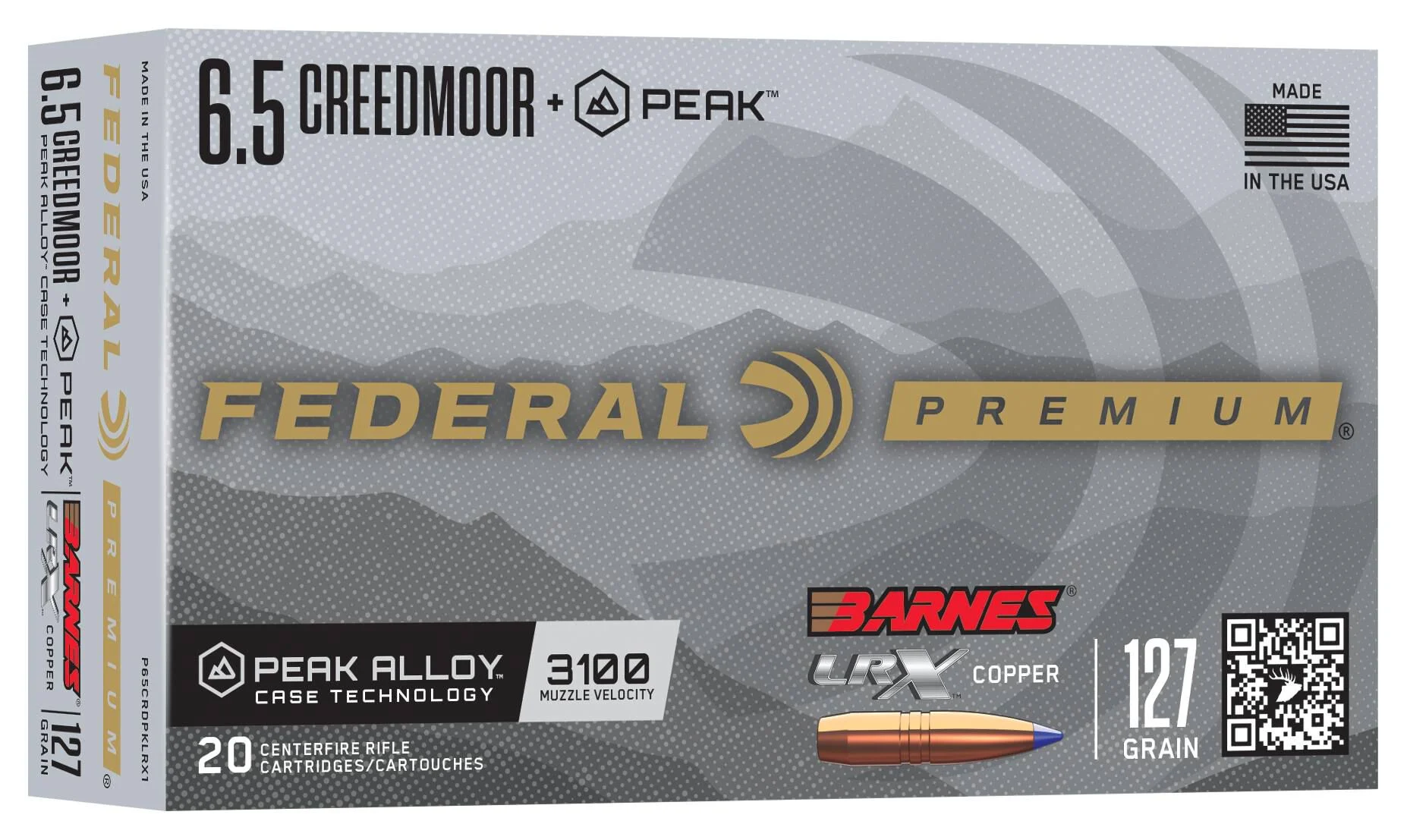
6.5 Creedmoor +Peak Barnes LRX
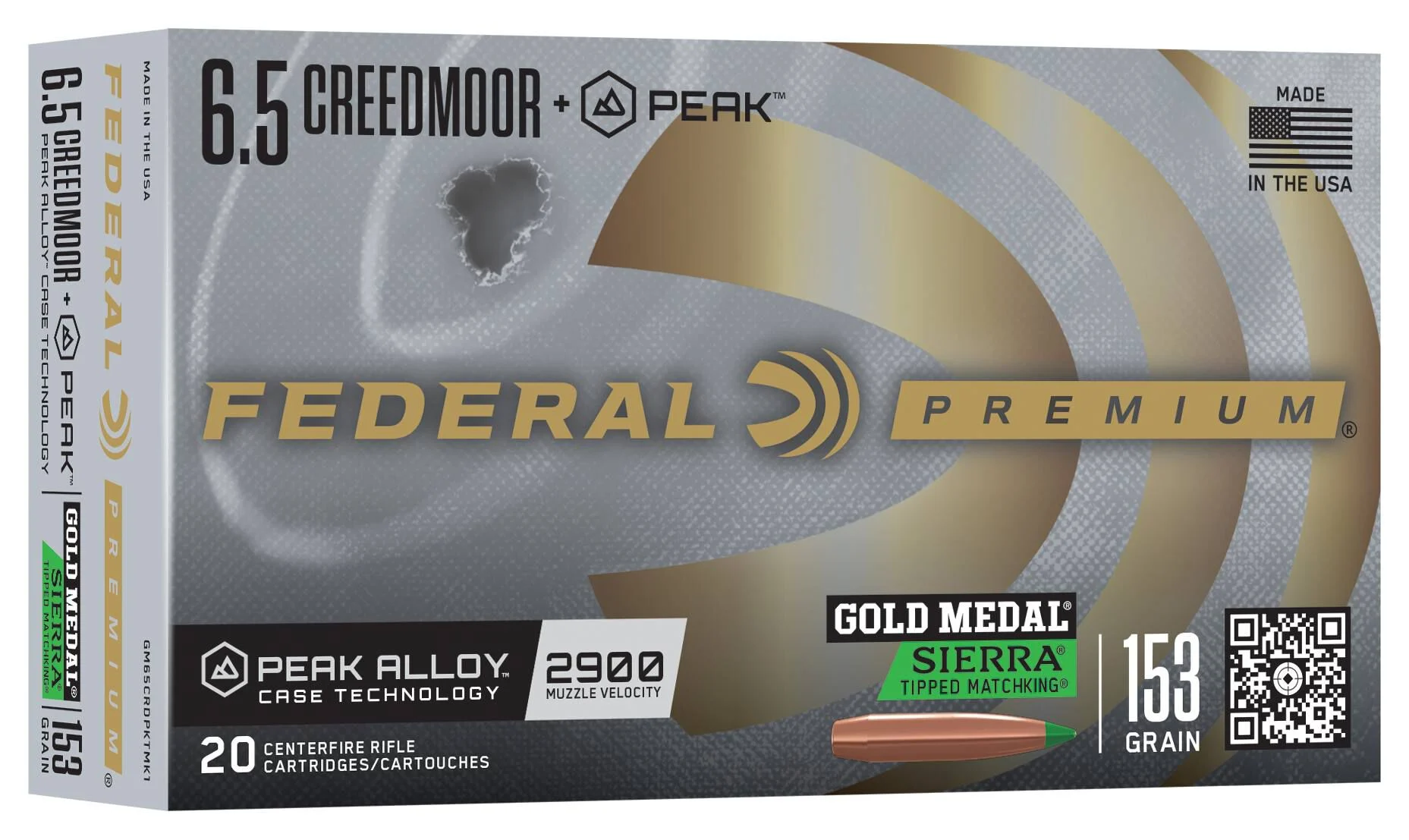
6.5 Creedmoor +Peak Gold Medal Sierra Tipped MatchKing
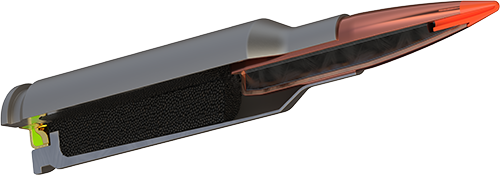
6.5 Creedmoor +Peak Fusion Tipped 155gr
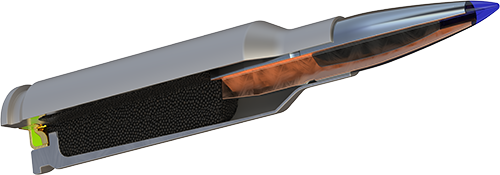
6.5 Creedmoor +Peak Terminal Ascent 130gr
Shop By Category
All Products (5)
6.5 Creedmoor +Peak Berger Elite Hunter
6.5 Creedmoor +Peak Barnes LRX
6.5 Creedmoor +Peak Gold Medal Sierra Tipped MatchKing
6.5 Creedmoor +Peak Fusion Tipped 155gr
6.5 Creedmoor +Peak Terminal Ascent 130gr
From the Journal
AR-15 Barrel Steel vs Stainless Durability: The Definitive Practical Guide
Bolt Carrier Group Gas Rings Replacement: The Complete Guide
AR-15 Bolt Carrier Group Coating Comparison: Which Finish Actually Performs Under Fire
AR-15 Buffer Weight Tuning for Reliability: A Practical Guide to Eliminate Malfunctions
Built by builders, tested by Corbin Vance.
Confident, direct, expert. Real product, no fluff.
Certified Armorer Specialist (AR Platform) - 2012 · Former Lead Tester at Windham Weaponry (2009-2015)